The month has come to an end. The sales were great and the P&L had a profit, and there was nothing that appeared to be terribly in error.
Check the bank account of the restaurant.
The number isn’t what you expected.
For restaurant owners, that disconnection can be a source of frustration because profits and cash available appear to have the same meaning. But they don’t. The P&L is a gauge of financial performance, while the bank account is a representation of when money moves in and out.
Knowing the difference can change the way a restaurant owner views their finances.
Consider what happens during an ordinary week. Customers pay for food. Employees have to be paid. The invoices for food and beverages are delivered. Rent is getting closer. Deposits made with credit cards have their own specific timing. Taxes on sales have been collected, but that money comes with an obligation.
The shopping for the week ahead has already started.
Looking just at revenue or the number of profits at the end isn’t a good way to assess the full scope of what happens.
The Secret Could Be Hidden in Prime Cost
If the restaurant’s profitability starts to decline, the costs of food, beverages and labor costs should be taken into consideration.
Together, cost of products sold and labor are the main costs. Bookkeeping Chef’s guidelines place the prime cost at between 60%-65% of revenue for many restaurants, focusing on weekly monitoring rather than waiting until the final day of each month.
It is essential to be able to spot changes earlier than worrying about the exact percentage.
If the restaurant typically performs near its target but this week, it’s a higher percent. Perhaps overtime was increased. Maybe beverage costs were stable while food costs jumped. The chef may look over menus and portions, waste, vendor invoices, and buying if the percentage of food is higher.
The percentage raises a concern. The activities that underlie the restaurant provide the answer.
This conversation is possible because everybody can remember what happened.
The details are much harder to recall after a couple of days.
The Vendor Bills are then delivered.
A restaurant might purchase its ingredients this week, but then pay for these items in the future. This is a reason for knowing the profit isn’t enough to answer every cash question.
Invoices from vendors have to be accounted for, tracked and paid. In the course of manual processing, an office with many suppliers could become an enormous administrative burden.
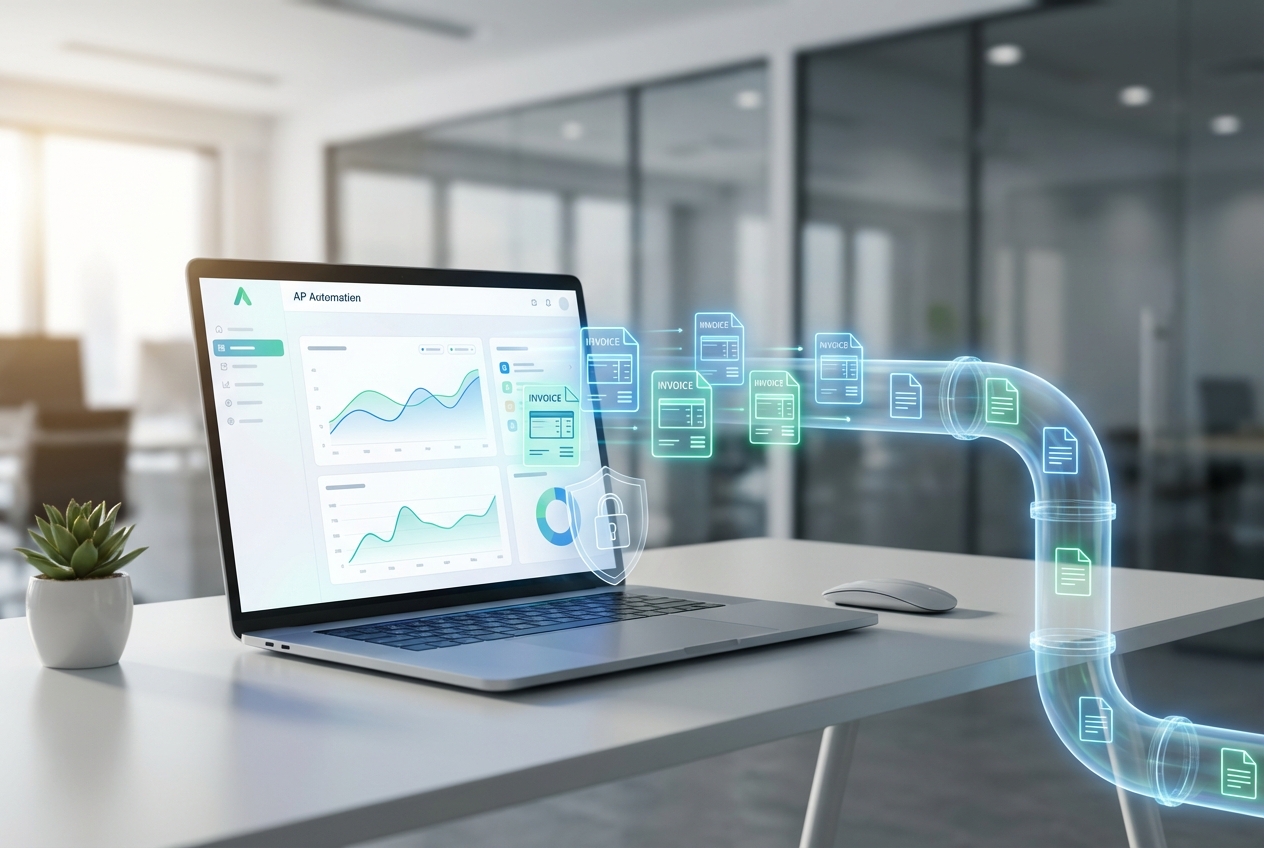
Accounts payable automation helps organize this process by reducing repetitive handling of bills and payment information. The bookkeeping system that is connected to the internet can give the user a better view of any obligations that haven’t yet been paid into the bank account.
This is beneficial, as the bank’s balance may appear to be healthier than the restaurant’s actual financial situation.
There could be a possibility that you have $80,000 in your account as of right now. The $80,000 figure means very small if the cost of rent, vendors, or payroll will take the majority of the next few days.
This leads to cash flow forecasting.
What happens to the money we have received after we’ve received the amount we’ve hoped for and met all of our obligations?
It is vital to recognize the difference when deciding if this week is the ideal time to replace equipment, purchase additional items or to conserve liquid funds.
The cash you received may Not Be Yours
Sales tax illustrates this especially well.
The money a restaurant receives from its customers will eventually need to be handled in line to its tax obligations. When these money are thought of as combined with operating cash, it could create a false impression of the cash available for spending.
A consistent record helps restaurants stay in compliance with sales tax regulations while also providing management a complete picture of their financials.
Restaurant accounting is more effective when the financial responsibilities of each restaurant are handled separately.
Prime cost affects margin. Vendor purchases impact COGS and future payments. Payroll affects both labor percentage as well as cash. Cash flow is impacted by sales tax. The P&L records financial performance, forecasting can help management look ahead.
Connect the pieces.
Bookkeeping Chef utilizes restaurant-specific reporting and system integrations to put all the pieces together. Bookkeeping outsourcing can be beneficial to owners who do not wish to spend the night manually reconciling their financial information.
This last aspect is crucial.
It’s not the aim of restaurant owners to not check their accounts because someone does. Owners should be provided with data in a way that helps them understand what is happening.
If the P&L indicates that the establishment is profitable however, the balance in the bank feels insufficient, don’t believe the P&L could be wrong.
Ask what happened between them.
This question will tell you more about your business than any number.