Certain diseases can be terrifying and confusing in the vast realm of human health. The pancreatic tumor is a formidable enemy that has puzzled doctors and scientists. It’s a debilitating illness that affects a large number of people each year. It is often referred to as “the silent killer” because of its difficulty in detecting the disease at an early stage. There are however, things you can do to lower the chance of developing pancreatic cancer. Also, you can do things to help support research into new therapies.
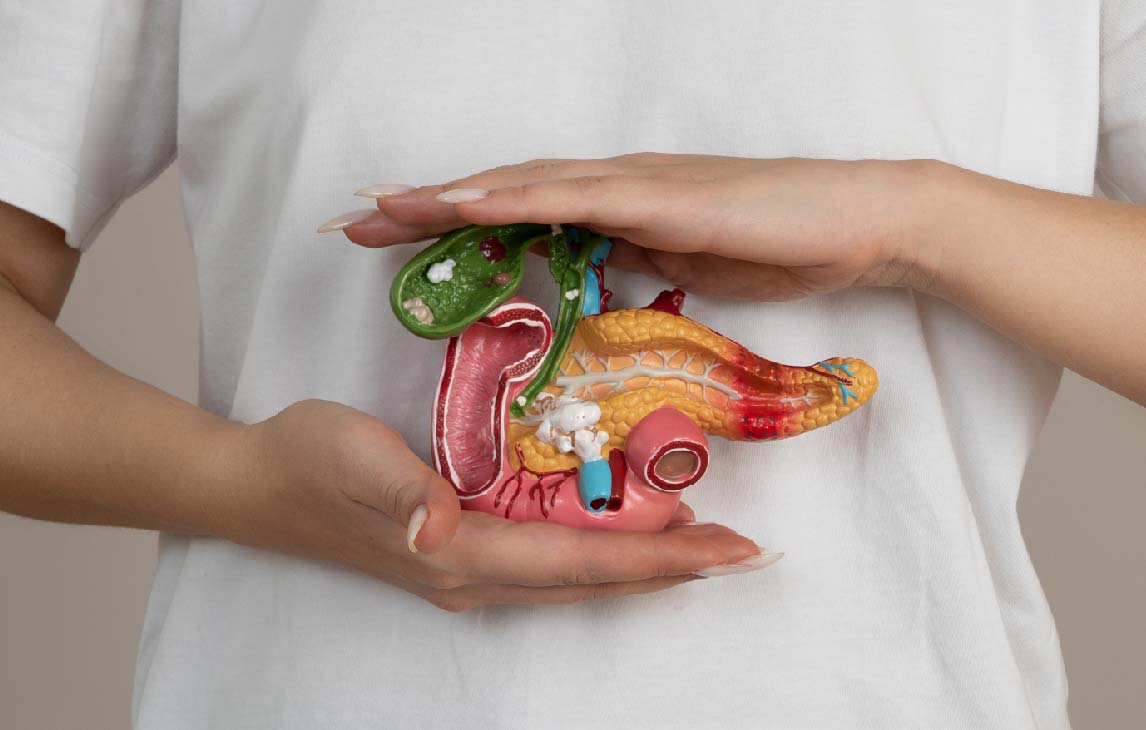
Warning signs of pancreatic cancer The whispering threat to your health
It’s essential to recognize the subtle signals pancreatic carcinoma could be sending out before we begin to explore ways to prevent it or seek assistance. The whispers of pancreatic cancer are often ignored in the chaos of everyday life. Recognizing the warnings is key to catching the disease as it is still just beginning to develop, and battling it in the most effective way.
The pancreatic cancer is renowned for being mysterious. The signs of pancreatic tumors are typically indistinct and difficult to identify but the significance of these symptoms is significant. Weight loss that is not explained, abdominal discomfort that radiates into the back, jaundice or changes in stool colors are all signs that indicate early warning. Additionally, new-onset diabetes or a sudden increase in existing diabetes could also be a sign of a red flag. Although these whispers might seem innocent on their own, they may provide a more comprehensive picture.
Reduce the risk of pancreatic cancer by taking action
As the awareness of pancreatic cancer grows, our resolve to fight it becomes stronger. Embracing the knowledge of how to prevent pancreatic cancer becomes our armor, while understanding serves as our shield. There are a variety of steps you can take to lower your chance of getting this cancer. This will provide you with the knowledge and confidence that comes from making informed choices.
1. Healthy lifestyle choices: The cornerstone of preventing pancreatic cancer lies in our daily habits. Healthy weight management and a balanced diet containing fruits, vegetables, whole grains and avoid sugary beverages as well as processed foods will help lower the risk of developing pancreatic cancer.
2. Stop smoking: If you smoke then this is a valid reason to quit. Smoking is a known risk of pancreatic cancer. As you kick this habit and quit smoking, you’re not only improving your overall health, but also putting an end to the pancreatic cancer that lurks in the background. cancer.
3. Moderate alcohol consumption: While drinking a glass of wine may offer health benefits, excessive alcohol consumption can increase the risk of pancreatic cancer. Like all things caution is advised to drink in moderation.
4. Genetic counseling If you have a family background of pancreatic cancer or genetic variants that make you susceptible to the disease, genetic counseling can offer valuable information. Understanding your risk allows you to take a proactive approach and participate in regular tests.
Donating to pancreatic Cancer Research Helping to make the next step
Research is the ray of light in the field of medicine offering hope for breakthrough therapies, and ultimately a cure. The efforts of dedicated scientists who are working tirelessly in labs to uncover the complex mechanisms that cause the development of pancreatic cancer are essential to the fight.
Donating to pancreatic tumor research isn’t just an act of goodwill, it’s also an investment in your future. Each donation, no matter its size, helps fuel the engine of advancement. It helps to advance the search for early detection methods and more effective treatments as well as a better knowledge of the disease’s complexities. Your contribution is an important thread that weaves the fabric of scientific research. It offers an opportunity to those who are facing difficulties with their pancreas.
A tapestry of your support: your donation’s impact
Your donation to pancreatic cancer research creates a ripple effect that resonates well beyond a lab. Your donation is a lifeline for patients and their families coping with the burdens brought on by the disease. It is a testimony to the strength and generosity of the human race and reaching out to people in need.
Your contribution also promotes collaboration between scientists. It creates an environment where ideas can coexist, breakthroughs develop, and breakthroughs made possible. Your contribution amplifies our commitment to solving the pancreatic cancer puzzle in a piece-by-piece fashion until we can get a more clear picture.
The fight against pancreatic cancer is multifaceted and includes awareness and prevention and support. As we decode the whispers of warning signs for pancreatic cancer and adopt prevention strategies based on knowledge and experience, we extend our assistance – with donations that fuel the engines of research. Through this journey where science and humanity intersect creating the future in which the mystery of pancreatic cancer is unraveled, where lives are saved, and where hope is restored.