Knowing the cost of keeping a system in good condition is essential. If you’re preparing to install the septic tank of your choice and leach field or simply replace the one you have, knowing the expenses that are likely to be involved can assist you in budgeting effectively and avoid any surprises throughout the process. There are various factors that contribute to the septic replacement cost.
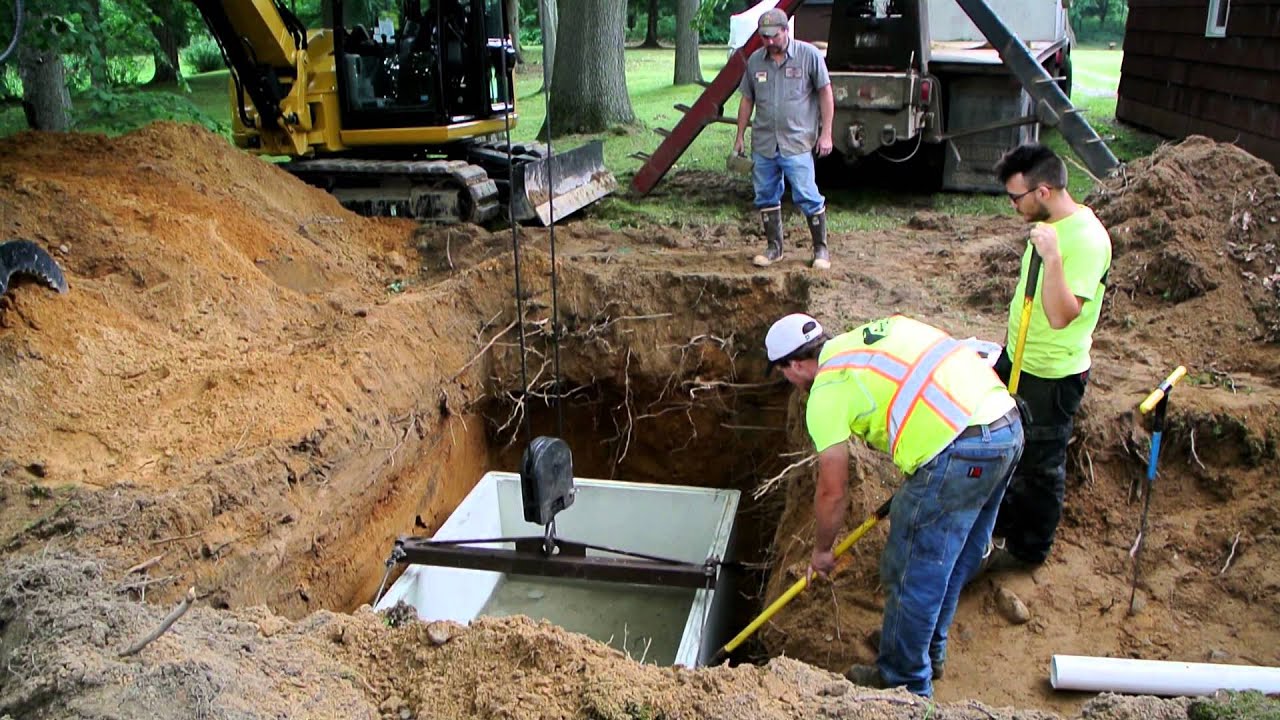
Costs for installing a leach field as well as a septic system can differ greatly based on varying factors. One of the most important considerations is the size of the septic system needed. The larger properties or households that have higher water consumption generally require bigger leach fields and septic tanks, resulting in a higher overall cost. The soil conditions and topography could also influence the complexity of installation and cost. The soil conditions can be difficult and require extra excavations or specially designed treatment systems. This will add to the cost.
Another factor that affects the cost of a septic system is the design of the septic tank and leach field systems that are selected. The cost of various materials and designs varies. Concrete tanks with traditional designs are generally more affordable compared to alternative alternatives like fiberglass or plastic tanks. Additionally, eco-friendly or advanced treatment methods may cost more, but they offer advantages such as better wastewater treatment and water conservation.
Although the initial cost of installing the leach field and septic tanks is a substantial financial investment, it is important to think about long-term costs of repairs and maintenance. Septic tanks have a lifespan of between 25 and 30 years, contingent on the factors that affect their use as well as maintenance and materials used. In time the septic system could need to be fixed or replaced. When determining the cost of replacing a septic tank, it is not enough to consider the price of the tank, but also the labor involved and any upgrades required to comply with current regulations.
The cost to replace the septic system could be affected by the type of tank, its size as well as how complex the installation is. In some instances it might be necessary to dig up the old tank and dispose of it in a proper manner and prepare the site for the installation. In addition, if there have any changes to the regulations since the initial installation there could be additional costs needed to bring the new sewer system into compliance.
Regular maintenance of the septic system and inspections are necessary for an easy replacement and to avoid any unexpected costs. Routine inspections can identify potential issues early on making it possible to make timely repairs that will extend the life span of the tank. It is important to regularly to pump the tank for solids to not build up.
It is recommended to seek estimates from reputable contractors prior to deciding on the installation or replacement of a septic tank. Compare these estimates to obtain a better idea of what the typical costs are in your local area. This will enable you to make an informed decision. Also, make sure to inquire about any warranties or guarantees that the contractor offers for their work and the materials used.
Homeowners and property owners need to understand how much a new septic tanks costs and what the total cost of the entire septic systems is. It is possible to budget for the installation or replacing of a leachfield and septic system by considering aspects like the size, the materials used, the soil condition, as well as possible future costs. Regularly scheduled inspections, maintenance and proper maintenance are essential to prolonging the life of your system and reduce the cost of future repairs. Make sure you are aware that a functioning septic system can be not just important for the management of wastewater however, it can also add value to your house.