Certain aspects of homeownership are not often discussed until they are a cause for concern. One important but often overlooked aspect of a home is the septic system. We often take it for granted and assume that it will do its job with no upkeep or stress. But, as with any other system, septic tanks will have a lifespan, and eventually they’ll need to be replaced.
The expense of replacing the septic tank is a major financial burden on homeowners who do not have a plan. The total amount is determined by several variables, and it’s essential to prepare a budget for the replacement system.
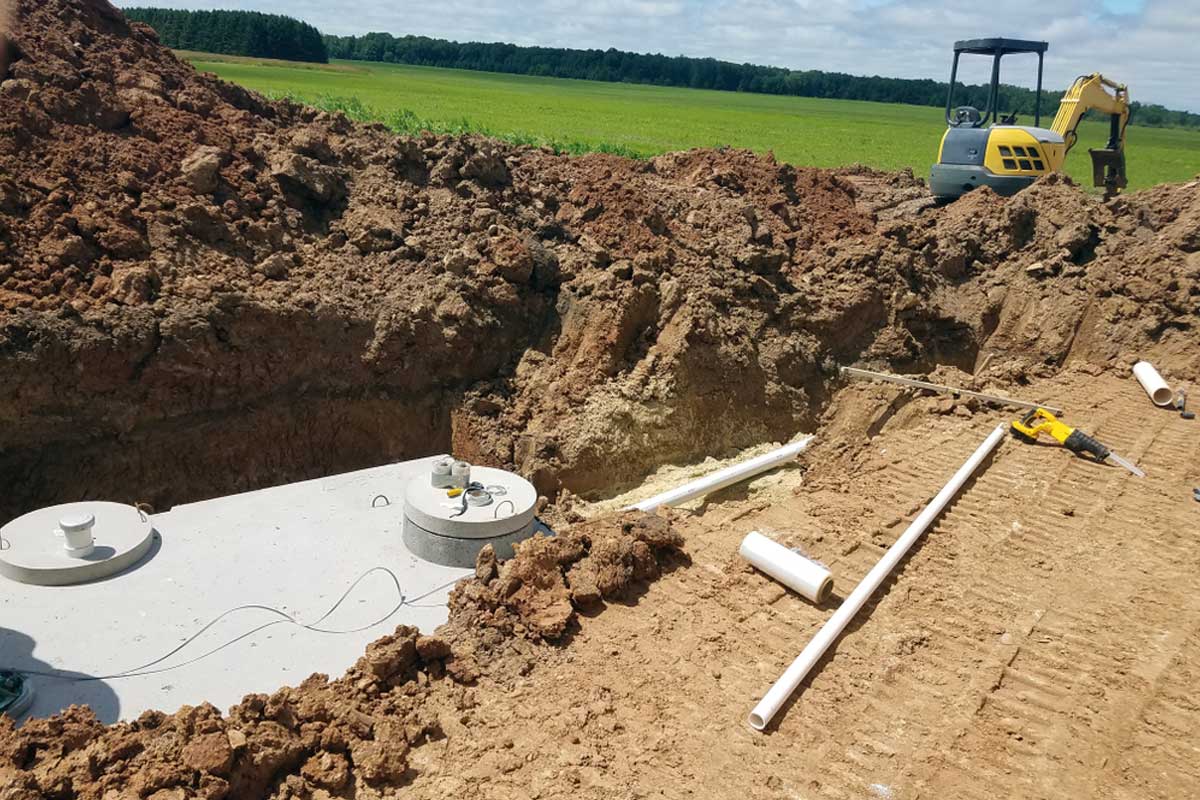
In order to determine the cost of a tank replacement, it is important to think about more than the cost. It is not merely a matter of replacing the tank with a brand new one. In fact, many components and services make up the overall expense. From obtaining permits to hiring experts to the actual installation and excavation, each process has its own costs that homeowners must be aware of so that they can plan their budgets effectively.
One of the major considerations is the septic tank cost of replacement, which includes the cost to set up a the leach field and septic tank. The cost of replacing a tank is contingent on its size, material and complexity of installation. Additionally, the location of your property, the local laws, and soil conditions can also impact the cost. Consult with septic experts to evaluate your needs and receive an exact estimation. They’ll also think about how big and the design of the leach field, to give you an accurate knowledge of how much your project will cost.
Leach fields, also known as drainfields, are another significant cost. It plays a significant part in wastewater treatment and dispersal. Removing a damaged or inoperative leach field requires careful planning and could significantly affect the total cost for septic replacement. Factors like the size of the field soil composition and accessibility all influence the cost, which is why it’s important to think about these factors when calculating the cost total.
homeowners should consider the cost for replacing the septic tank. This can disrupt your daily routine by requiring you to leave temporarily your residence, or limit your water consumption while the installation is taking place. This inconvenience should be considered when planning your project as it could cause disruption to your routine and cause additional costs.
It is also important to understand that regular maintenance and care of septic systems is essential to prolong their life and reduce the risk of replacement that is premature. By not taking care of regular maintenance, it can cause more severe issues later on which could include tank failure or damage to the drainfield. Integrating maintenance costs for septic systems in your budget is a smart investment that can save you money in the long run.
You may have already realized how difficult it is to estimate the cost of an all-new septic tank. It requires careful consideration of various factors, from the size and the material used in the tank, as well as the complexity of the installation and condition of the leach field. In addition, the place of your property and local regulations could impact the total expense. It is vital to seek advice from experts with experience in the replacement of septic systems.
If you’re thinking of replacing your septic system, you may be shocked to find out that there are hidden costs that you hadn’t thought of. It’s important to know about these hidden costs before making an investment. For more information, click septic tank replacement cost
Here are a few of the hidden costs associated with replacing the septic system:
The costs of inspections and permits. The local government may require permits prior to beginning the process of replacing your system of septic. The permits can be costly and you might have to pay for inspections.
The cost of excavation and removal. The older septic system has to be excavated and removed before the new system can be installed. This can be a costly procedure, particularly if the old system is located in a remote area.
Cost of backfilling, grade. After the old system is removed, the trench will need to be backfilled and graded. This will ensure that your new system drains in the correct way.
Costs for landscaping. You may have to landscape the area following the installation of your new system to maintain it in a neat and tidy manner. It’s a lot of work when you decide to employ a professional landscaping company.
When planning the replacement of your tank for septic, it is essential that you include the cost-savings that aren’t obvious. Avoid unpleasant surprises in the near future by taking your time planning ahead.
The decision to invest in environmentally friendly septic solutions is a good option for those who are on a tight budget. These eco-friendly septic systems aren’t just cost-effective alternatives to conventional systems, but they also help conserve the environment by reducing runoff and water pollution. The eco-friendly options are becoming affordable and easily accessible. They’re a great option for people looking to limit their impact on the environment and not break the bank. Although there are upfront costs to the switch to an environmentally-friendly system, the extra costs are far more than covered in the form of long-term savings. Going green isn’t just a trend; it’s an essential lifestyle change that everyone should think about if they’re truly passionate about preserving our planet for generations to in the future. It gives you peace of knowing that you’re doing your part to help the world community. This will also ensure that your property functions efficiently with less maintenance and lower monthly costs.